

I knelt under a tree in the backyard, my corduroy knees wet with the October ground, smiling as a fuzzy brown-and-black woolly bear crawled up my arm.
Then I heard a voice behind me.
“Careful. It can bore into your skin. Eat your flesh.”
I turned around and looked at my two brothers, ages eight and nine.
The one who had spoken had a serious look on his face. The other nodded in agreement.
“Cannot,” I said, putting the insect down and slowly backing away.
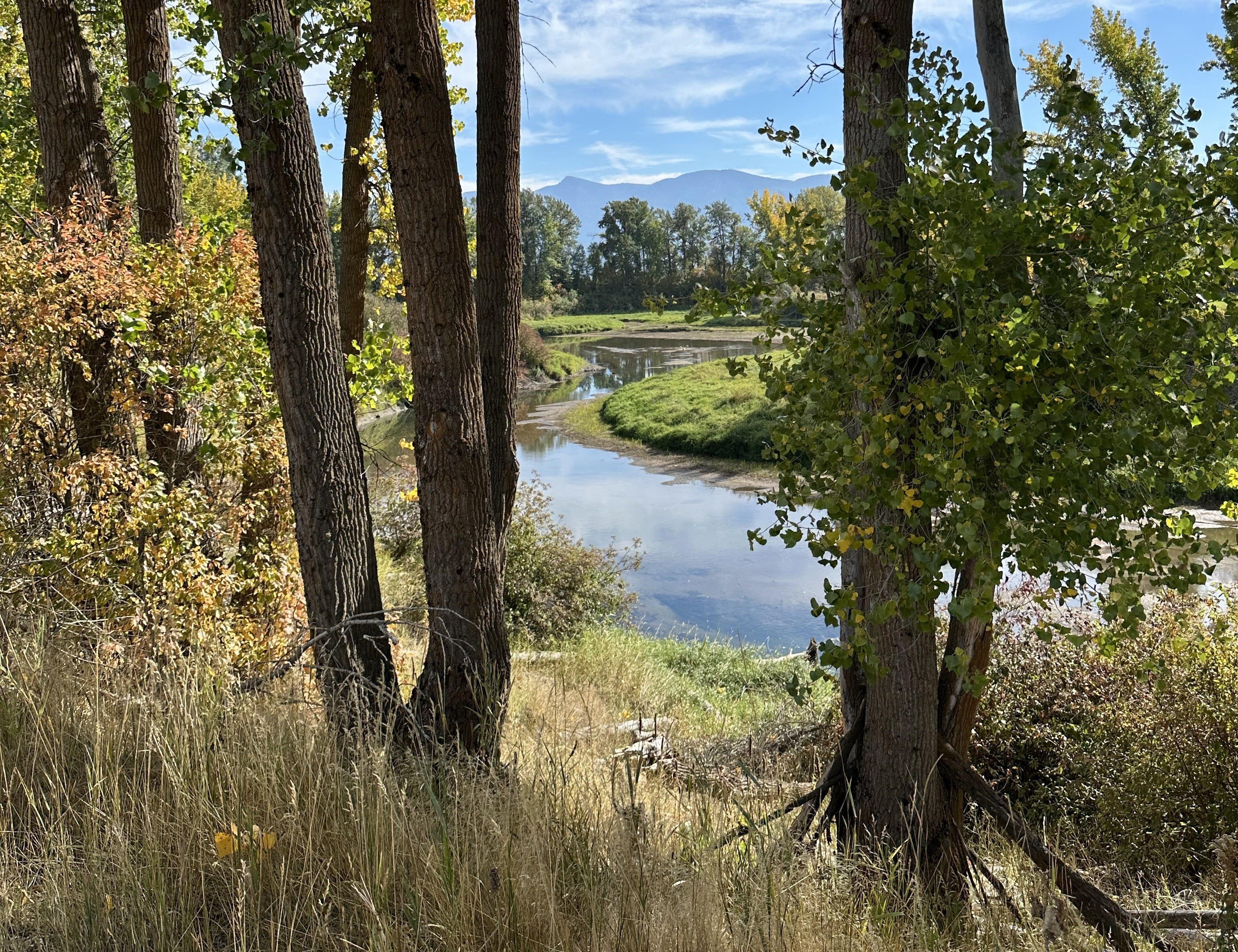
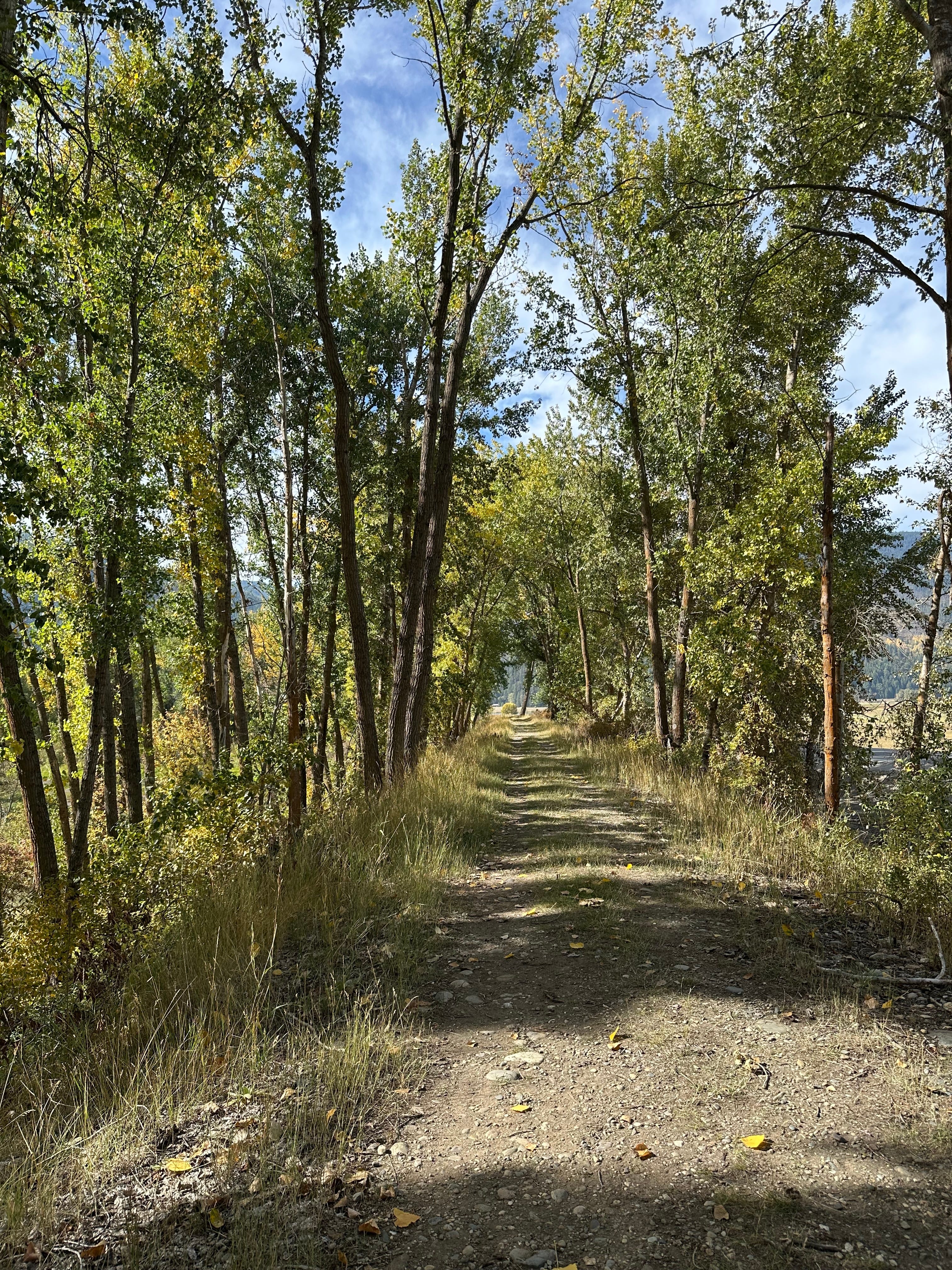
This week, I thought of that moment while walking the Deep Creek Trail in Bonners Ferry, Idaho, when I spotted a woolly bear in the grass.
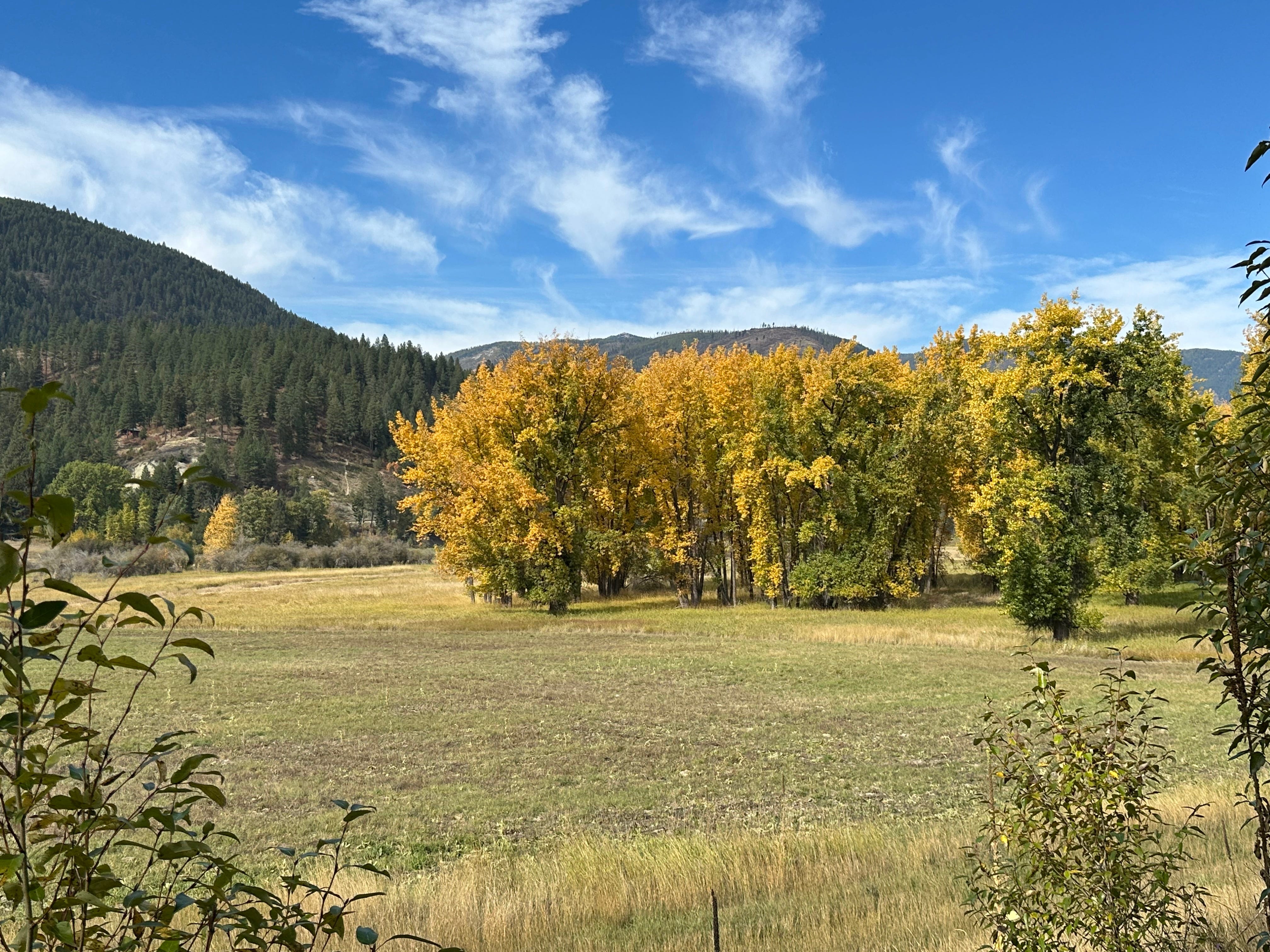
Around me, cottonwood trees and paper birch with golden leaves danced in the breeze. Two young bald eagles soared over the meadow in the distance, spreading their wings like sails, and letting the wind carry them.
But it was the woolly bear that captured my thoughts.
The plump little creature was as much brown as it was black. Folklore says, more brown means a mild winter, more black a tough one.
Are we going to have a so-so winter? I wondered.
Even if it’s a hard one, it wouldn’t bother Mr. Woolly. This kind of caterpillar produces glycerol, an antifreeze-like substance. When it’s cold, he’ll crawl under a leaf or a log and freeze, becoming a black-and-brown, bristled ice cube. The glycerol prevents tissue damage.
When spring arrives, he’ll thaw, crawl around, and feed on grass, dandelion leaves, and nettles. Then spin a cocoon and transform into the Isabella Tiger Moth.
I knelt down; took a picture.
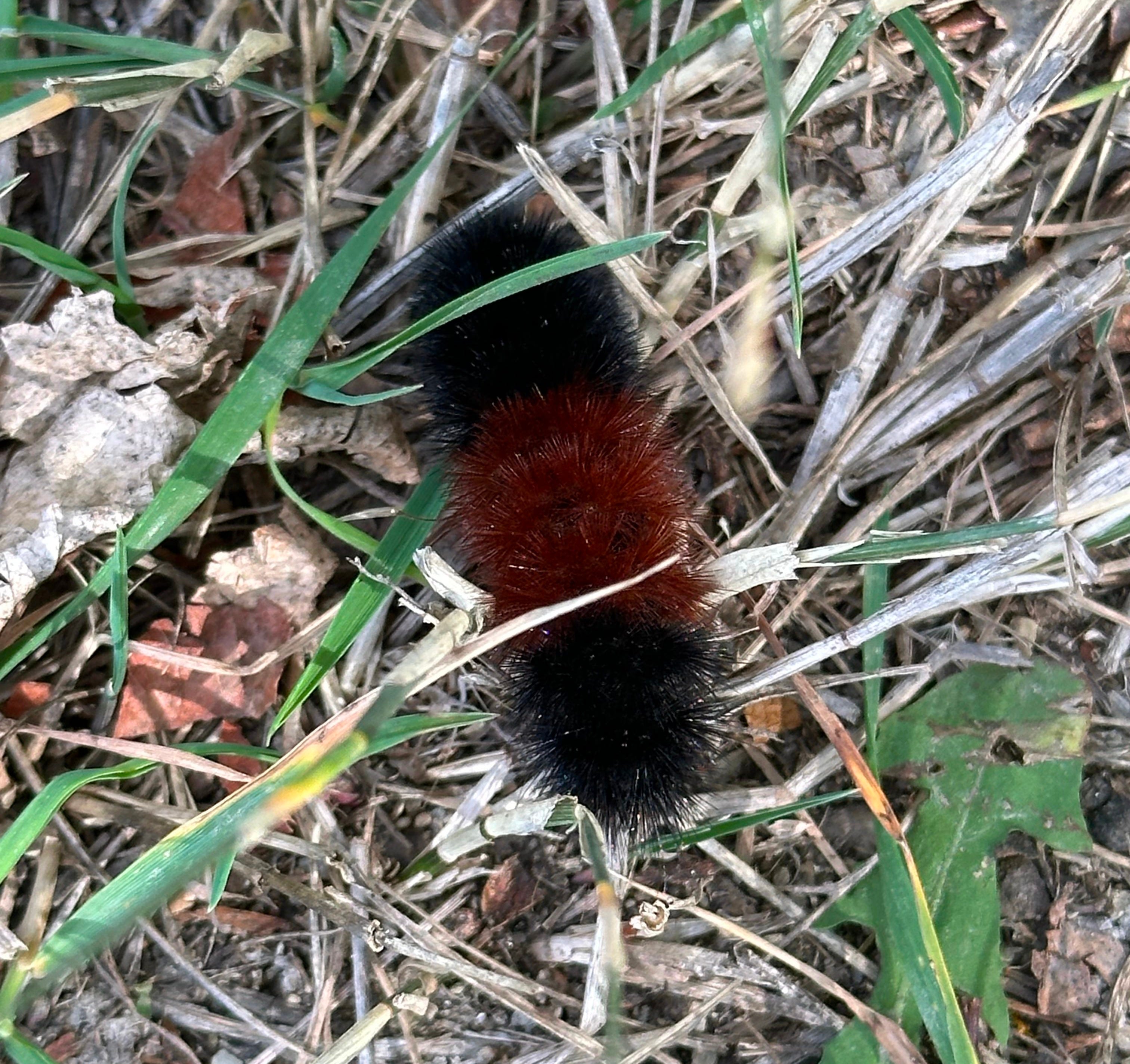
The color of the woolly bear’s coat really does provide useful information: its age. It sheds its exoskeleton as often as six times before it begins to transform into a moth. The brown band lengthens with each shedding, so the oldest woollies have little black.
My bear was, apparently, middle-aged. Another mid-lifer enjoying the trail.
I walked away without touching it. The bristles can irritate the skin. My darn brothers were on to something, even if they didn’t know it.
JUST THE FACTS: Deep Creek Trail, Kootenai National Wildlife Refuge, Bonners Ferry, Idaho
Distance: 4 miles (total out and back)
Estimated Time: ~ 2 hours
Elevation Gain: 26 feet
Key Highlights: Cottonwood and birch color, Selkirk views, bald eagles over the meadow, and woolly bears in the grass. Moose country. Serene along Deep Creek.
Difficulty: Easy. Wide, flat trail. Good place for Grandma and Grandpa to walk as the grandkids run.
Call for Comments: Have you walked the Deep Creek Trail? What wildlife did you spot? Share your stories and tips in the comments, or submit to Readers’ Hike.
Subscribe for weekly hike guides, practical trail info, and ‘Off the Trail’ personal essays.