

Huckleberry Milkshakes. Back in the summer of 2020, we slurped one every day for a week. Thick, sweet, and sold at a small shop near the houseboat we rented in Bottle Bay, Idaho. It was a consolation vacation.
I’d organized a trip to Kauai for Ken and me. I’d carefully researched each hike we would take. Located the best beaches for paddleboarding and snorkeling. Purchased tickets to enter botanical gardens. I’d booked two different Airbnbs so we could explore the whole island.
But, alas, COVID-19 restrictions canceled the trip. It was really karma. I’m a fly-by-the-seat-of-your-pants kind of gal. This was the first trip I’d ever mapped out with a detailed agenda. Of course, it was cursed.
At any rate, when we realized my dream vacation wouldn’t happen, we rented the houseboat on Lake Pend Oreille. Each morning, I could open a door, step onto my paddle board, and glide across the water. Between that, the huckleberry shakes, and the hikes at nearby Farragut State Park, it was a great time.
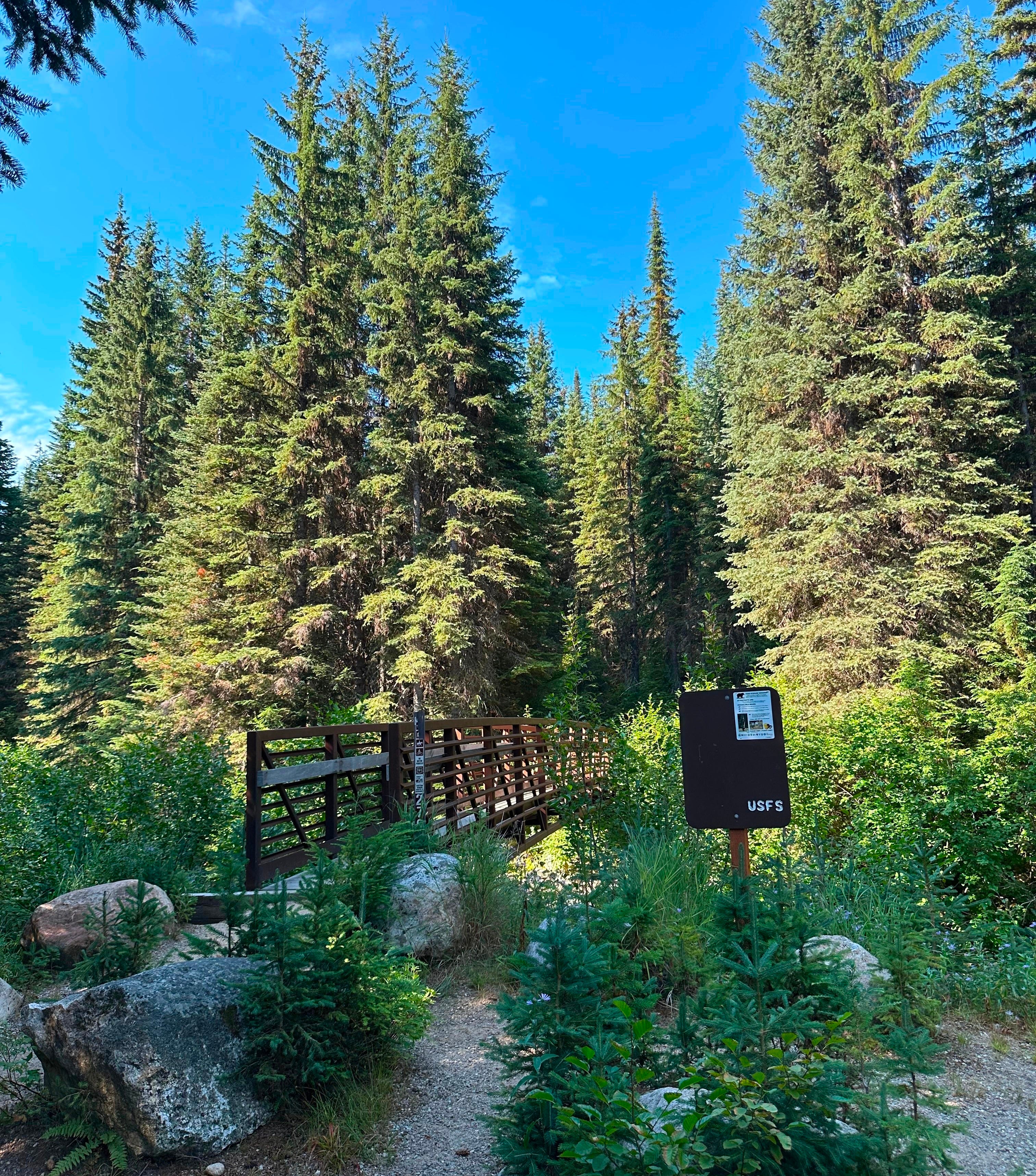
I thought about those shakes this week, nearly two miles up the Beehive Lake Trail in Naples, Idaho, when Ken stopped, picked a plump, almost black, ½-inch round huckleberry from a shrub, and placed it in my mouth. Sweet with just a hint of tartness, the yummiest berry I’d had on a hike (sometimes they’re too tart).
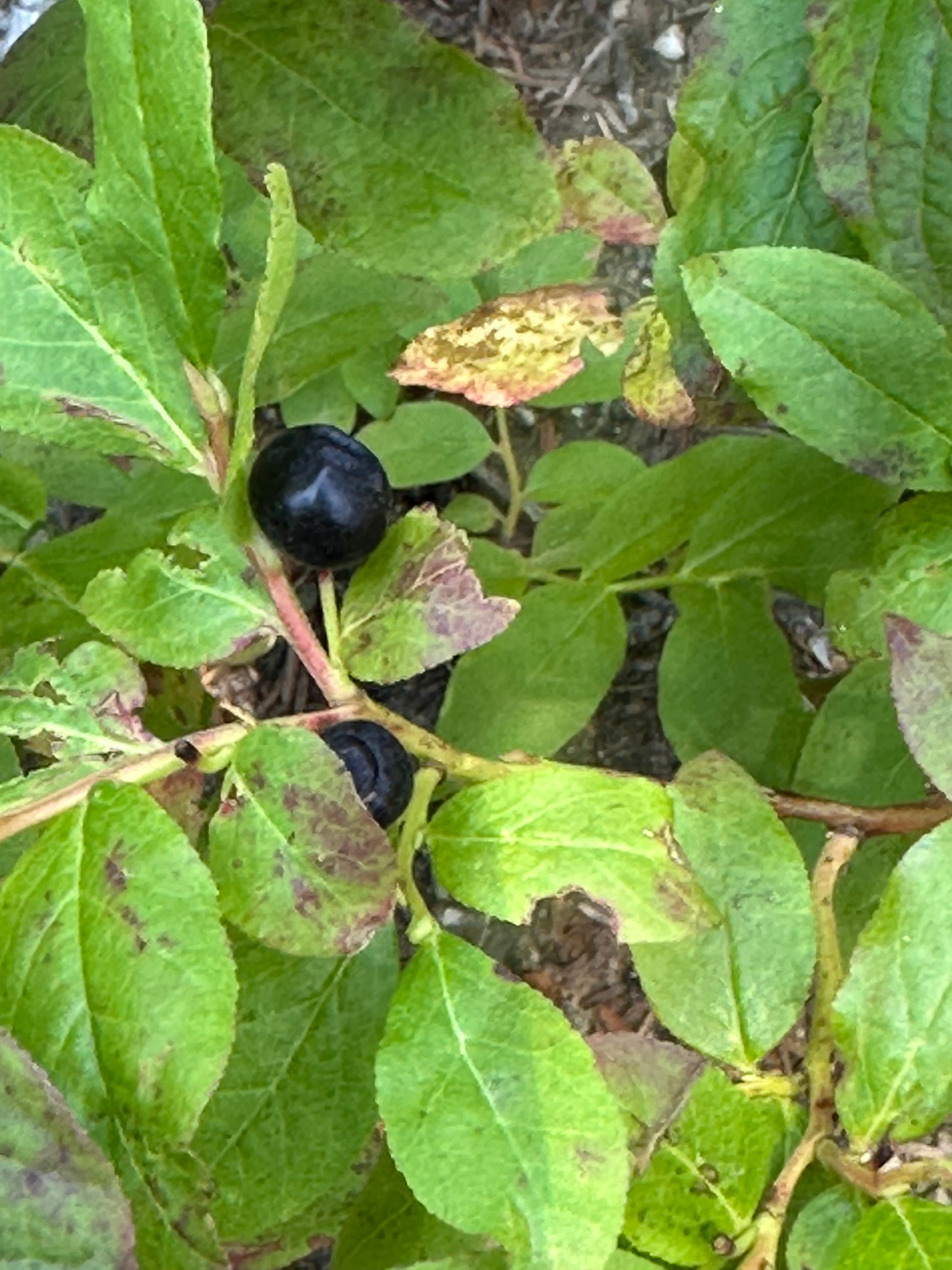
Huckleberries are a big deal here. They were designated the state fruit in 2000, thanks to the efforts of fourth-grade students at Southside Elementary School in nearby Cocolalla, a small community 30 miles north of Coeur d’Alene. It’s not surprising that the children could convince legislators; huckleberries have been an important resource in the region since before Idaho was Idaho. Native Americans dried the fruit and made a kind of cake from it, which they ate through the winter months. During the Great Depression in the 1930s, the huckleberry trade brought money to the Pacific Northwest, while other historic resources, like the timber trade, floundered (Richards, Alexander).
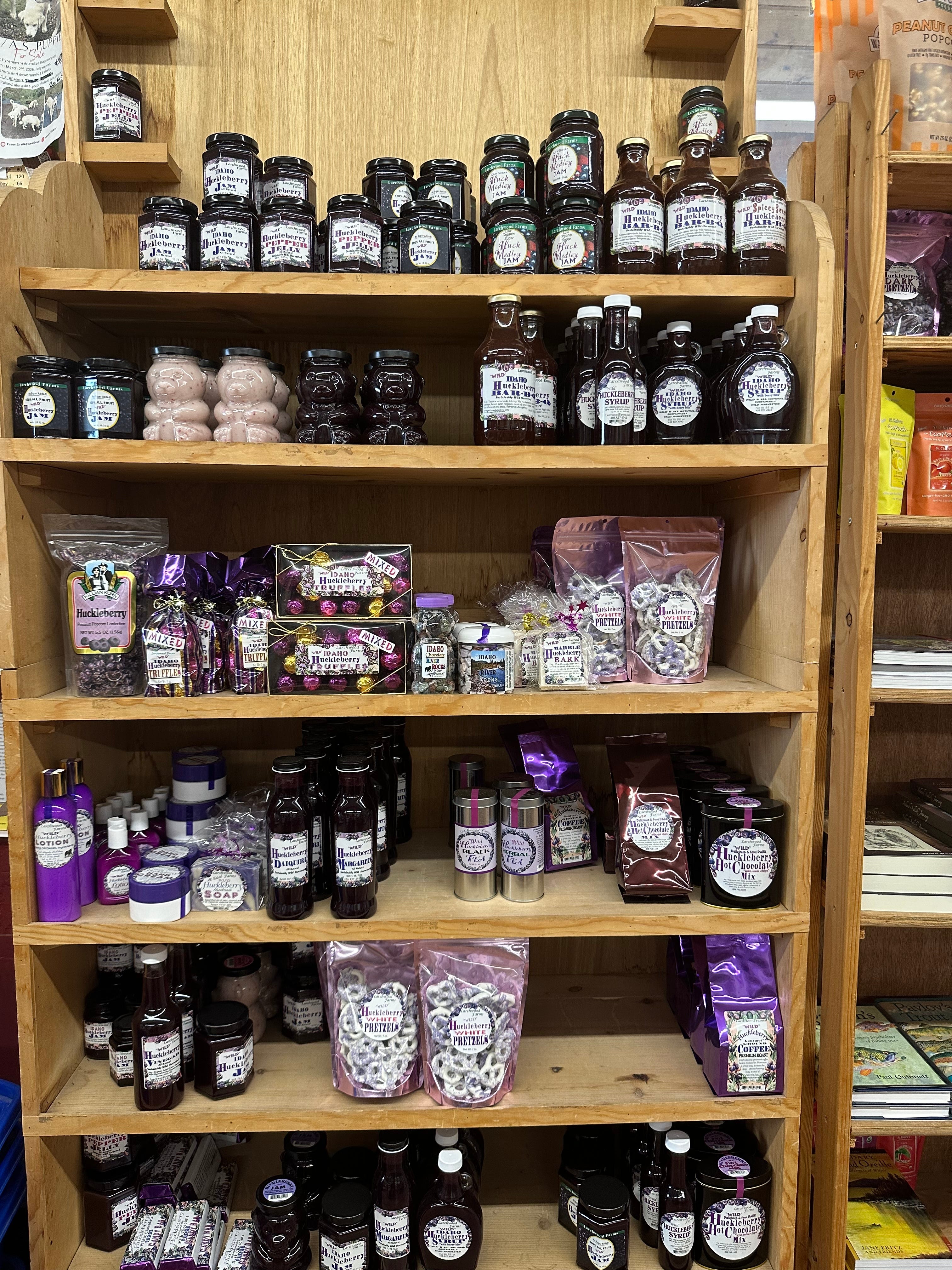
Today, although commercial huckleberry propagation is outlawed in the state, every restaurant has a huckleberry item on the menu. Furthermore, every store and gas station has a shelf stocked with purple jams, candies, and syrups.
I particularly like a nice huckleberry mojito.
It’s funny, all the times and places one can visit while on a trail. The juice of that single berry transported me off a mountain on a 90-degree August day to an indulgent lake vacation, then on to a slow walk-through history. But of course, my mind returned to the quiet hemlock- and pine-shaded path where my face felt sticky with sweat.
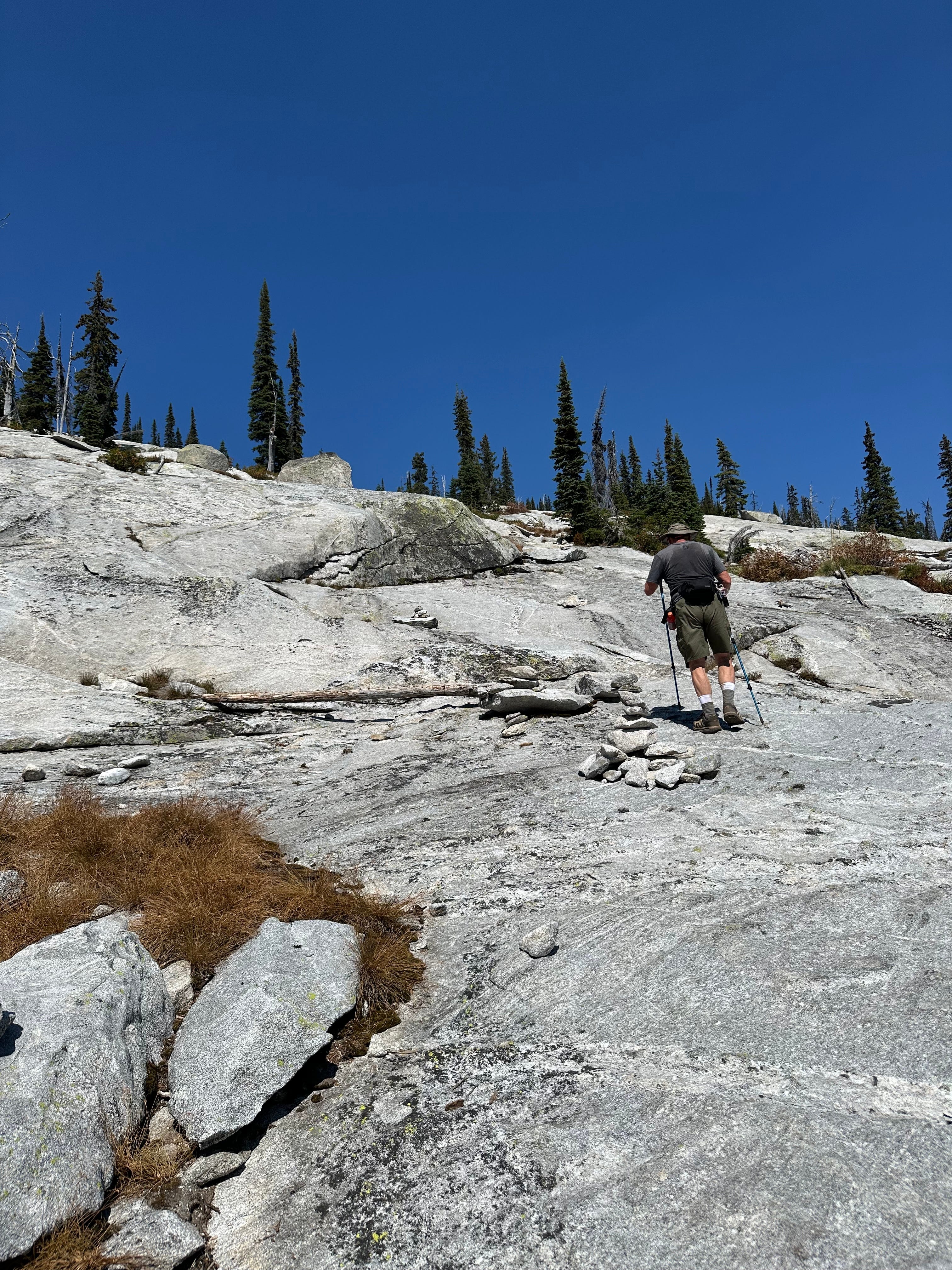
We’d walked three miles, past white Pearl Everlasting and the red berries of Mountain Ash, when the trees gave way to a hill of white bedrock. A series of cairns left by previous travelers marked the path with their rock piles. There was little vegetation, no wildlife, not even a marmot in sight, as our hiking sticks clicked across the stone.
At the top, a path led to a clear, shimmering alpine lake. The home of cutthroat trout, some purportedly as large as 12 inches – a testament to the water’s health.
We dawdled at the top. Drank water. Chewed on granola bars. Chatted with two teenagers fly-fishing.
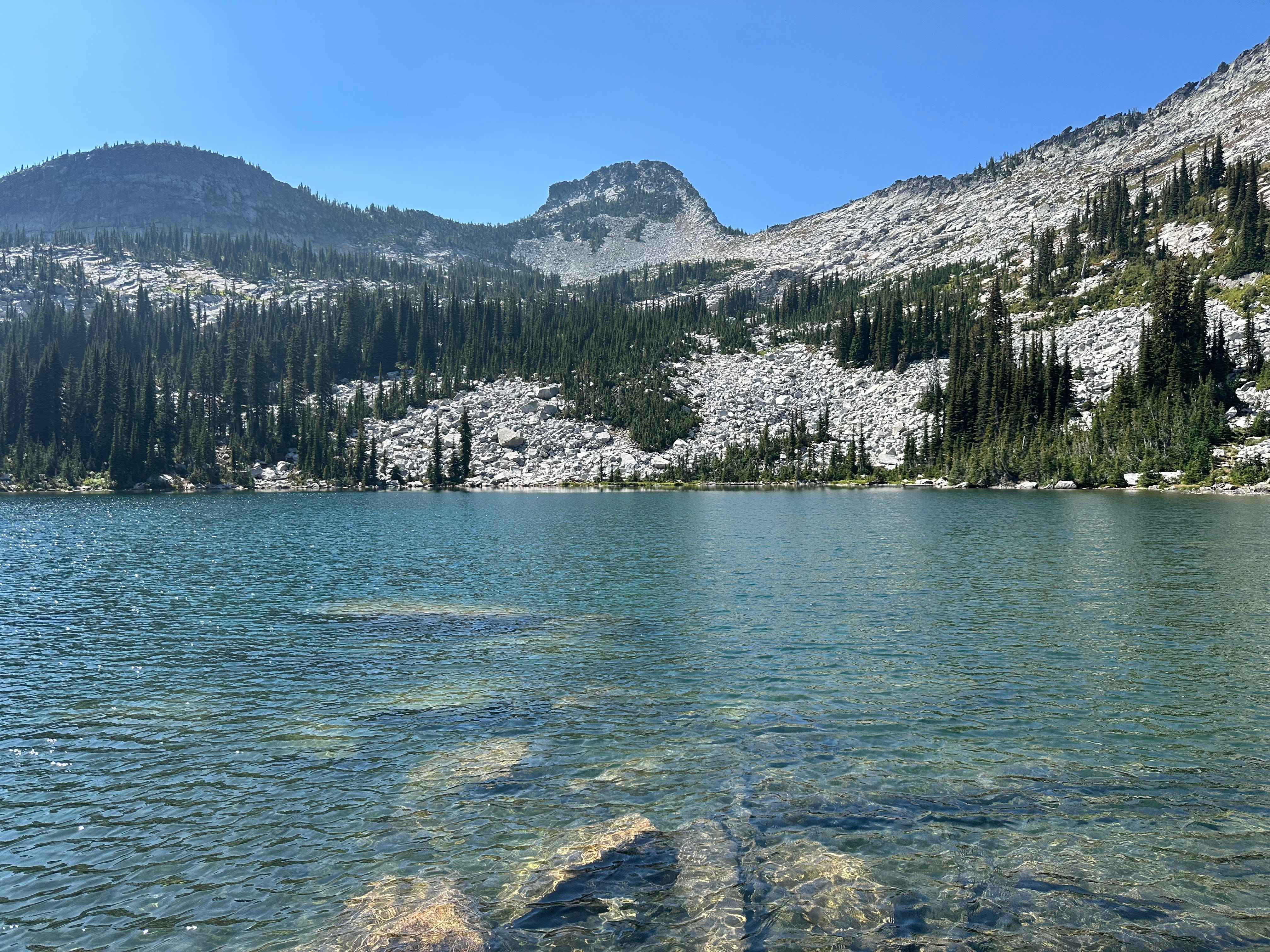
The day took longer than we’d anticipated. When we headed back, we walked cautiously, not wanting to slip on the bedrock. In the woods, we stopped now and again to take photos of the conifers in the Selkirk Mountains. Around 4:00 pm, we returned to where we’d parked our pickup truck, our legs aching. We’d read online that the hike would be 6.7 miles out and back, but my watch showed we’d walked 7.5 miles.
My stomach grumbled with hunger as we drove back down the slow, rough dirt road that had brought us to the trailhead. I felt a sense of joy when it turned to asphalt, and ecstasy when the Blue Heron Café came into view on the horizon. Of course, we stopped. I ordered the BLT. Ken had the coconut shrimp with, guess what, huckleberry marmalade. It was the perfect ending to the day.

JUST THE FACTS: Beehive Lake Trail, Naples, Idaho
Distance: 7.5 miles (total out and back)
Estimated Time: ~ 6 hours
Elevation Gain: 2050 feet
Key Highlights: Huckleberry, Mountain Ash, and views of the conifer-lined Selkirk Mountains. A rock scramble to an alpine lake filled with Cutthroat Trout.
Difficulty: Hard.
Call for Comments: Have you hiked Beehive Lake Trail? Share your stories, tips, and local history in the comments, or submit to Reader’s Hike to have your adventure highlighted.
Subscribe for weekly hike guides, practical trail info, and ‘Off the Trail’ personal essays. Let’s build this community together.
References:
Richards, Rebecca T., and Susan J. Alexander. A Social History of Wild Huckleberry Harvesting in the Pacific Northwest. Gen. Tech. Rep. PNW-GTR-657, U.S. Department of Agriculture, Forest Service, Pacific Northwest Research Station, Feb. 2006, research.fs.usda.gov/download/treesearch/22152.pdf.